
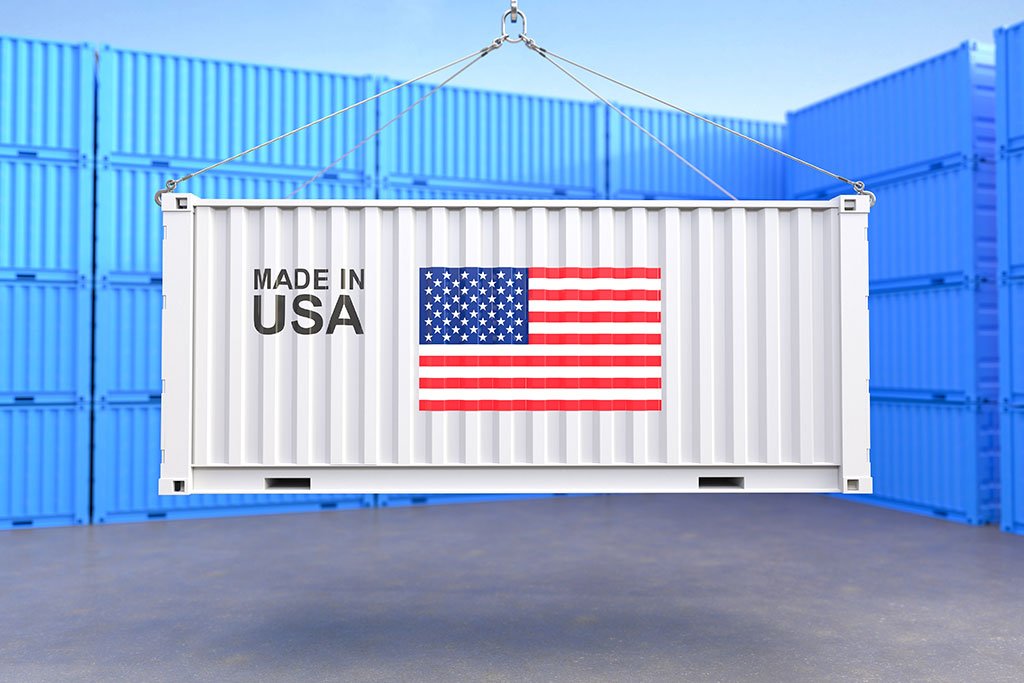
The vast, intricate network of highways crisscrossing the United States is more than just a map—it’s the circulatory system of the nation’s economy. At its heart lies the American trucking industry, a powerful, dynamic force responsible for moving over 70% of all freight in the country. From the fresh produce in your local grocery store to the components of the latest smartphone, if you bought it, a truck probably brought it.
This blog post explores the key facets of this essential industry, from its economic impact to the innovations shaping its future.
The Economic Backbone
Trucking is far more than just transportation; it is a fundamental pillar of U.S. commerce. The American Trucking Associations (ATA) reports that the industry generates hundreds of billions of dollars in revenue annually and employs millions of people, including over 3.5 million truck drivers. This immense scale makes it a reliable barometer of economic health. When trucks are moving, goods are being sold, and the economy is in motion. Its efficiency directly impacts supply chains, consumer prices, and business operations nationwide.
The Life of a Modern Trucker
The image of the lonely long-haul driver is a well-known cultural trope, but the reality is more complex. Today’s truck drivers are highly skilled professionals who operate advanced machinery and navigate a world of logistics. They face unique challenges, including long hours, time away from family, and the ongoing demand for their services due to a persistent driver shortage. This shortage is a major concern for the industry, as it puts pressure on supply chains and highlights the need for a new generation of skilled drivers.
Technology and Innovation on the Road
The modern trucking industry is no stranger to technology. Far from just a driver and a rig, today’s operations are data-driven.
- Telematics and Fleet Management: GPS tracking, real-time fuel consumption monitoring, and predictive maintenance are now standard, helping companies optimize routes and reduce costs.
- Automated Driving Systems: While fully autonomous trucks are still in development, many rigs are already equipped with advanced driver-assistance systems (ADAS), such as lane departure warnings and automatic emergency braking, making highways safer.
- Electric and Alternative Fuels: The push for sustainability is driving the development of electric, hydrogen, and other alternative-fuel trucks. These zero-emission vehicles promise to reduce the industry’s carbon footprint and lower fuel costs in the long run.
Navigating Major Challenges
Despite its strength, the industry faces significant hurdles.
- The Driver Shortage: This remains the most critical challenge, requiring companies to increase wages, offer better benefits, and invest in training programs to attract and retain talent.
- Regulatory Changes: Evolving federal and state regulations, from hours-of-service rules to environmental standards, require constant adaptation and investment.
- Infrastructure: The state of America’s roads and bridges, in many places, is a constant source of frustration and inefficiency for drivers, adding to transit times and maintenance costs.
- Fuel Costs: Volatile fuel prices can dramatically impact the bottom line for trucking companies, making cost management a top priority.
The Future of Freight
The American trucking industry is on the cusp of a major transformation. The move toward automation, electrification, and sophisticated data analytics will redefine what it means to transport goods. However, even with these advancements, the human element will remain irreplaceable. The skill, dedication, and resilience of truck drivers will continue to be the essential link connecting producers to consumers, ensuring that the engine of America keeps running.
1 Comment
A WordPress Commenter
The relationship with market structure was an interesting point.
market research